Texture is easy to overlook until one section no longer matches the rest. A smooth drywall patch inside an orange peel wall, an awkward repair on a knockdown ceiling, or inconsistent finishing can catch light differently from every angle. Years spent repairing and finishing real walls have given Huckleberry Home Repair LLC a practical eye for texture matching. From ceiling texture and wall resurfacing to drywall finishing and interior texture repair, the focus stays on making new work blend naturally with the surrounding surface.
Tell us which wall or ceiling needs attention and whether the goal is matching, repairing, or adding texture.
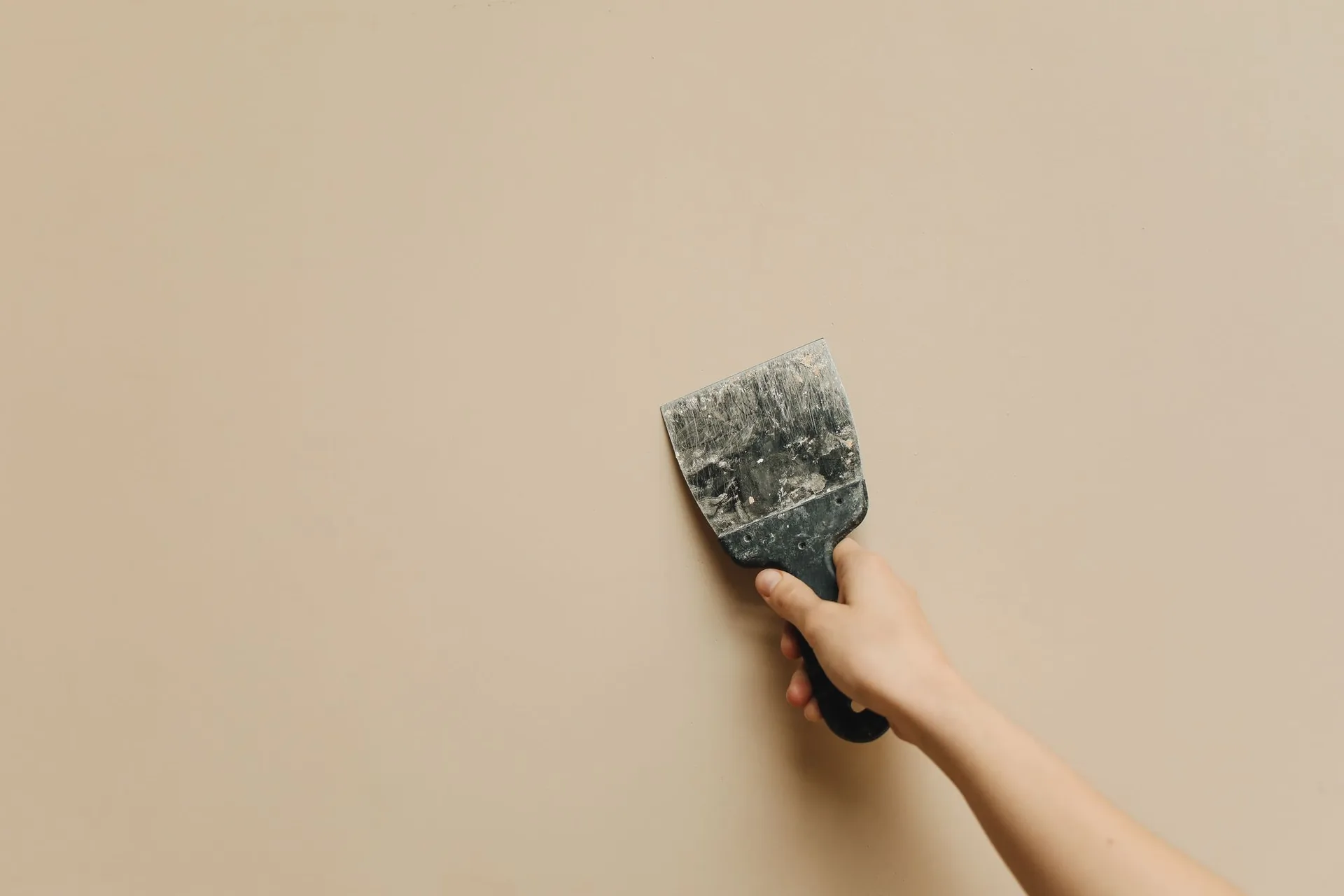
Sometimes the drywall patch itself is fine. The giveaway is everything around it. A repaired area may sit flat and solid but remain obvious because the original wall carries a pattern the new section does not. Texture matching becomes the bridge between a technically repaired surface and one that visually belongs.
When damaged drywall sits beneath the texture problem, drywall repair should come first. Recreating the pattern before the substrate is sound only hides the more important part of the repair.
The existing texture is examined up close for size, spacing, direction, previous repairs, and how strongly the pattern shows under normal room lighting.
Patches, sanding marks, ridges, dust, or inconsistent drywall finishing are corrected so the texture is applied over a stable surface.
Material consistency and application technique are adjusted according to whether the wall needs orange peel texture, knockdown texture, or another existing finish.
Texture extends beyond the immediate repair area where needed, reducing the hard visual boundary between old finish and new work.
Once the texture has set properly, the surface is checked for consistency before primer, paint, or other wall coatings become the next step.
A textured wall changes throughout the day. Morning light may flatten the pattern, while afternoon light from a side window can exaggerate every ridge and smooth spot. Hallways, stairwells, ceilings, and larger walls are especially unforgiving because the eye travels across a broad uninterrupted surface. That is why drywall texture services need to account for how the room actually looks, not only how the texture appears from two feet away.
Homeowners searching for a wall texture contractor are often dealing with repair work, remodeling transitions, or an older finish that has become inconsistent. Huckleberry Home Repair LLC approaches wall texturing Springfield, MO projects with texture matching as the priority when existing surfaces need to remain visually connected. If the room is also ready for a color update, interior painting can follow once the textured surface is properly prepared.

Yes, many existing textures can be closely matched, although exact results depend on the original pattern, age, previous coatings, and repair size. Texture matching involves studying density, scale, application style, and how the surrounding wall responds to light.
Orange peel texture has a fine, lightly raised pattern resembling citrus skin, while knockdown texture begins heavier and is partially flattened after application. Each creates a different visual depth, so the existing finish should guide repair work when matching surrounding surfaces.
Texture can soften minor surface variation, but it should not be used to disguise significant ridges, depressions, loose material, or poorly finished joints. Proper surface preparation and drywall finishing need to happen first so the texture sits over a sound, consistent base.
Yes, ceiling texture can be repaired when damaged areas or previous patches interrupt the existing pattern. Overhead lighting and viewing angles make ceiling texture especially sensitive to inconsistencies, so blending density and transitions matters just as much as the texture itself.
Yes, textured walls can be painted once the repaired surface has dried and is properly prepared. Paint application needs to reach the raised and recessed areas evenly, which is why interior painting should follow only after the texture itself is ready.
Call and tell us what pattern or repair you are looking at.
Holes, damaged panels, and failed patches need a solid repair before texture can recreate the surface around them.
Once the new texture is dry and prepared, paint can bring the repaired section back into the color and finish of the surrounding room.
A larger kitchen or interior update may extend beyond the walls. Cabinet painting can change another major visual surface without altering the room layout.
Texture repair and matching for walls, ceilings, and drywall patches.
Wall texturing for repaired, remodeled, or inconsistent interior surfaces.
Orange peel, knockdown, and texture matching for residential walls.
Drywall texture services for patches and existing patterned surfaces.
Interior wall texture and finishing for repaired residential spaces.
The goal is not to make the repair more decorative than the rest of the room. It is to make the interruption disappear into the pattern already there. Huckleberry Home Repair LLC can evaluate the existing finish and build the texture around what the surrounding surface is already saying.