A wall keeps a record of almost everything that happens around it, from moved furniture and old anchors to plumbing access, settling cracks, and accidental holes. Drywall repair services in Springfield, MO that homeowners need should make that history far less obvious once the room is finished. Huckleberry Home Repair LLC works with sheetrock repair, drywall patching, ceiling drywall repair, joint compound, surface repair, and wall finishing so damaged areas can return to being part of the room instead of the first thing people notice.
Tell us where the damage is, roughly how large it is, and whether the wall or ceiling has texture.
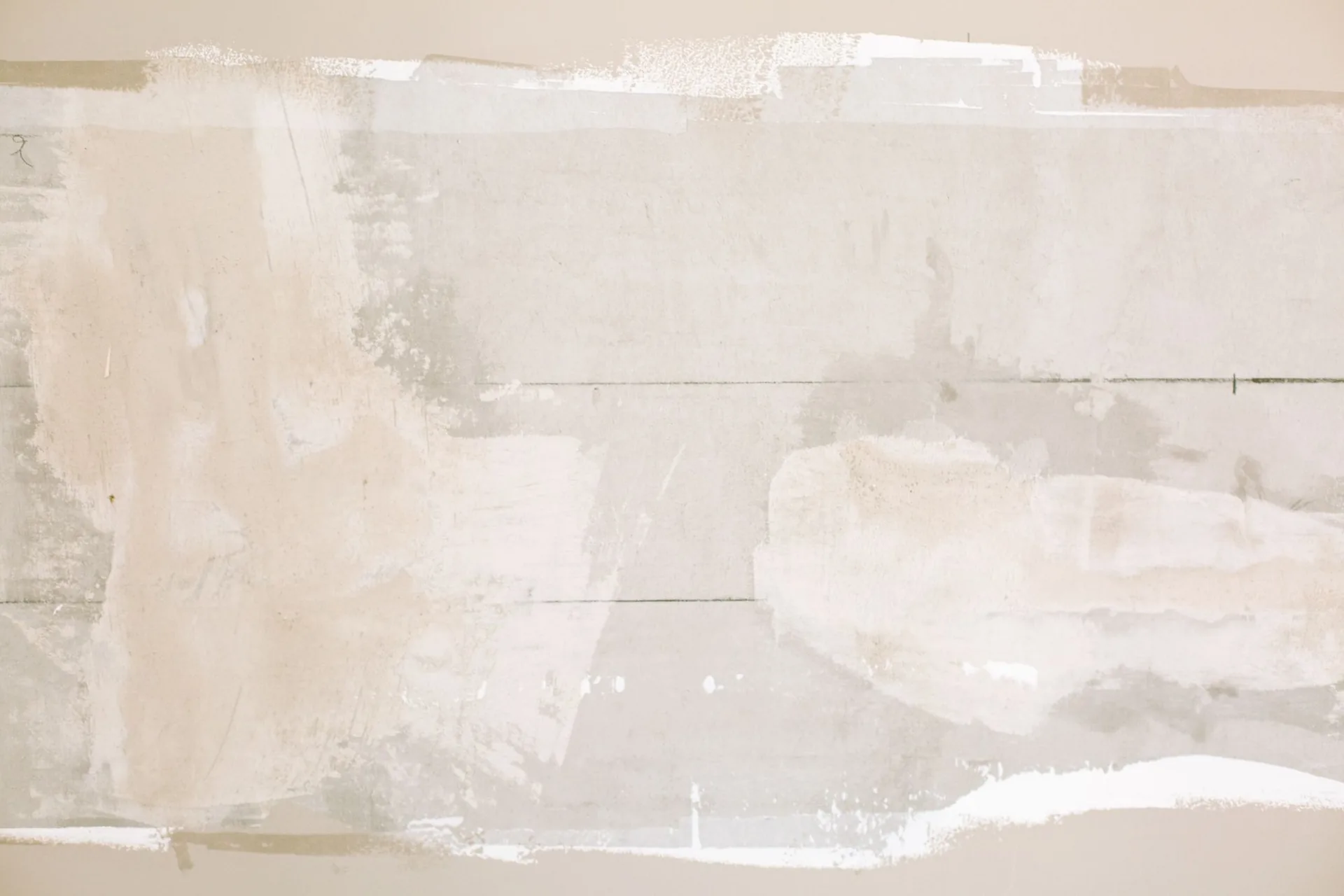
A thumb-sized dent and a cutout left after plumbing work are both wall damage, but they are not the same repair. Size, depth, location, broken paper, damaged corners, loose material, and existing texture all affect how a patch needs to be rebuilt and finished.
When the repaired area needs to blend into an existing orange-peel, knockdown, or other patterned finish, wall texturing becomes part of making the correction look intentional rather than patched.
Loose material, torn drywall paper, cracks, damaged edges, and the actual boundaries of the problem are identified before patching starts.
Depending on the opening, the repair may call for backing, replacement sheetrock, a fitted patch, or direct filling of a smaller damaged area.
Joint compound is applied beyond the patch so the transition between old wall and repaired area becomes progressively flatter.
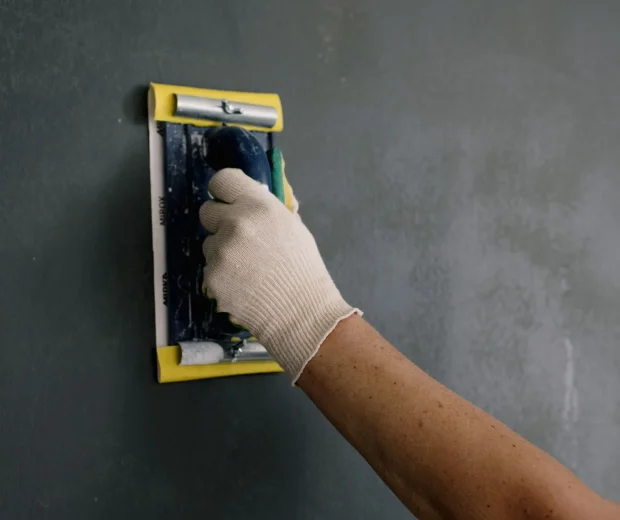
Once the compound has set, sanding and additional finishing passes reduce ridges, tool marks, and visible changes in plane.
Texture, primer needs, and surrounding finish are considered before the repaired section is ready to disappear back into the room.
Natural light coming across a wall at an angle can reveal a repair that looked acceptable straight on. Raised compound edges, shallow depressions, texture mismatches, and sanding marks become especially noticeable on long walls, ceilings, hallways, and rooms with strong window light. That is why drywall restoration is as much about transitions as filling the original hole.
Drywall repair services Springfield, MO homeowners request often lead directly into interior painting, but paint should come after the surface is truly ready. Huckleberry Home Repair LLC treats patching and finishing as their own stage first, whether the project involves sheetrock repair, plaster repair, interior wall repair, or preparation after another trade has opened the wall.
Yes, most localized drywall holes can be repaired without replacing an entire wall. Larger openings may require backing and a fitted sheetrock section, followed by joint compound, sanding, and finishing that gradually blends the new material into the surrounding surface.
Old patches often remain visible because of raised edges, shallow filling, poor sanding, texture differences, or missing primer. Paint follows the shape beneath it, so wall preparation must correct the surface profile before another finish coat can hide the repair effectively.
Ceiling drywall can often be repaired using similar materials, but overhead placement, lighting, seams, texture, and gravity make the work different. Ceiling repairs are especially sensitive to uneven finishing because shadows can emphasize ridges or depressions once the surface is painted.
No, a small drywall crack does not automatically indicate structural damage. Some develop around seams, corners, or normal movement. Repeated, widening, or unusual cracking deserves closer attention before cosmetic patching, so the visible symptom is not repaired without understanding its cause.
Yes, related home repairs can sometimes be coordinated when damaged trim, openings, fixtures, or nearby surfaces also need attention. The best approach depends on what caused the wall damage and what must be corrected before finishing can begin.
Call and describe the hole, crack, patch, or ceiling damage.
A smooth patch inside a textured wall can stand out immediately. Texture matching helps the repaired area visually reconnect with the surface around it.
Once patching, sanding, and priming are complete, repainting can bring the repaired wall back into the color and finish of the room.
Wall damage sometimes appears alongside loose trim, fixture changes, or other small household issues that make sense to address during the same project.
Drywall patching for holes, cracks, ceilings, and damaged wall sections.
Sheetrock repair for impact damage, old openings, and visible patches.
Wall and ceiling repairs prepared for a cleaner finished surface.
Drywall restoration for dents, cutouts, seams, and damaged areas.
Interior wall repair for localized damage and worn previous patches.
A drywall repair should not become a permanent outline of where the damage used to be. From the first fitted patch to the last feathered edge, Huckleberry Home Repair LLC works toward a surface that reads as one wall again, not an old section and a new one competing for attention.