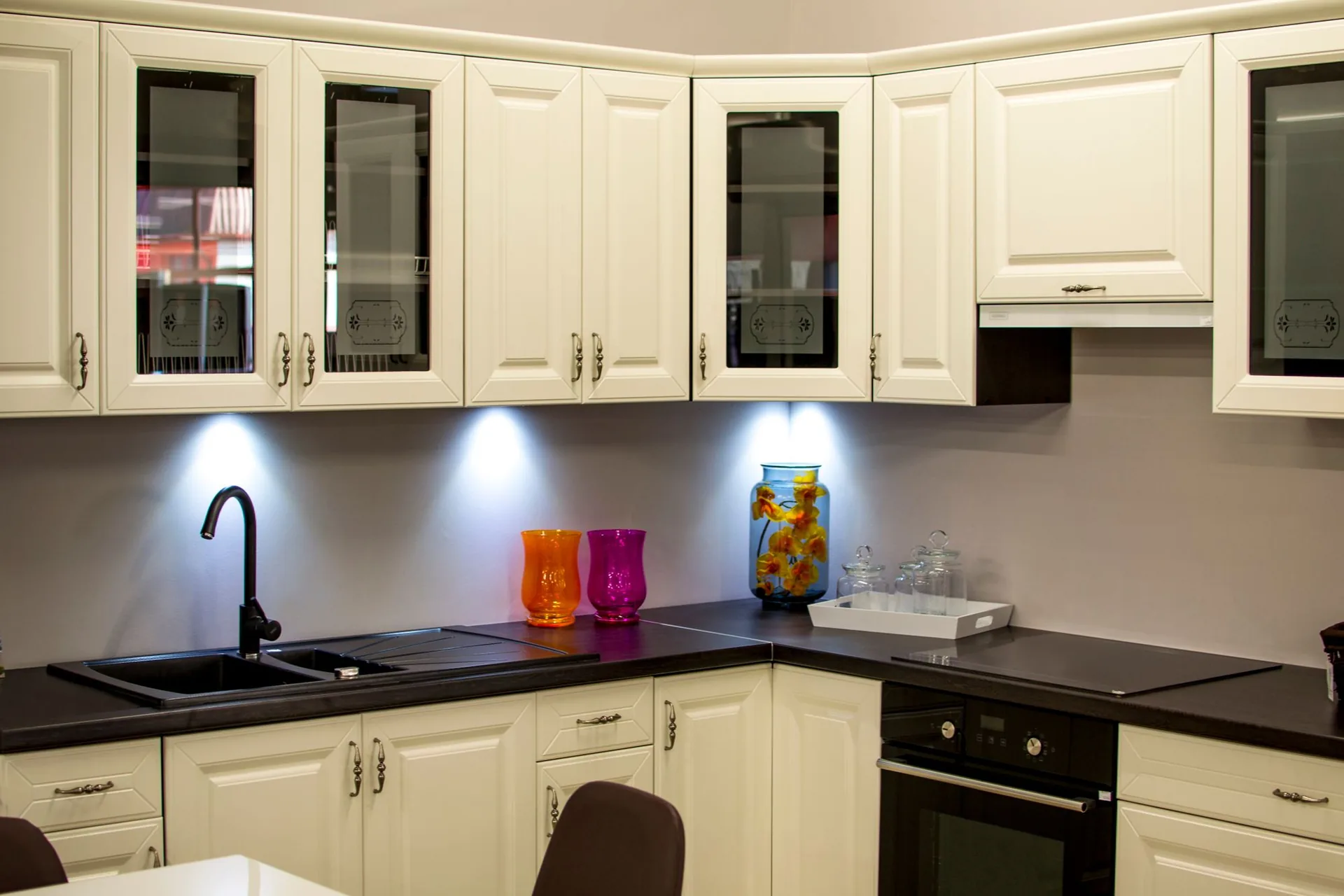
Old cabinets are not automatically bad cabinets. Solid doors, usable boxes, and attractive wood can outlast the finish covering them by years. Cabinet refinishing in Springfield, MO, is about preserving that value while correcting worn stain, dulled surfaces, scratches, discoloration, or an aging topcoat. Two decades of hands-on work have taught Huckleberry Home Repair LLC when existing cabinets are worth preserving. Sanding, staining, wood preparation, cabinet finishing, and protective coatings are used to renew what is already there instead of assuming replacement is the only worthwhile option.
Tell us about the cabinet material, existing finish, visible wear, and the result you have in mind.
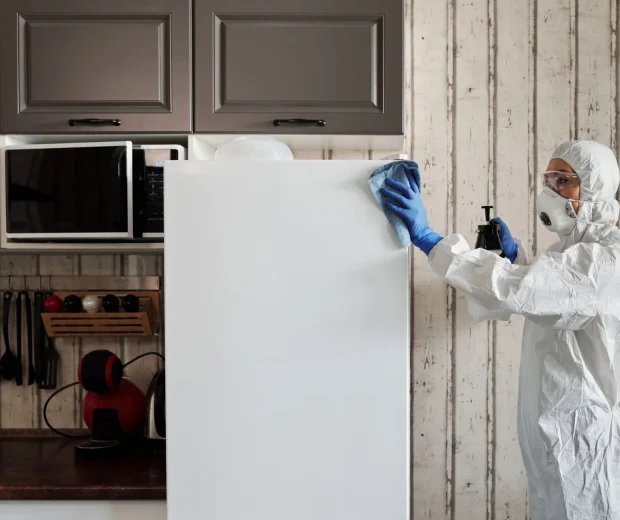
Wood develops its own record of use. Areas around handles darken, clear finishes lose their depth, sunlight changes color unevenly, and scratches accumulate where drawers and doors get the most traffic. Kitchen cabinet renewal becomes worthwhile when the cabinetry still deserves to stay, but its surface no longer represents it well.
When the desired change is an opaque new color rather than renewed wood character, cabinet painting gives the project a different direction and coating strategy.
Before sanding begins, the existing coating, wood condition, damage, previous stain, and desired final appearance need to make sense together.
Doors, drawer fronts, and hardware are organized so edges, faces, profiles, and detailed areas can be worked more deliberately.
Sanding and preparation reduce worn finish, smooth problem areas, and establish the foundation needed for the next stage of wood cabinet refinishing.
Stain or another suitable finishing treatment is applied with attention to wood tone, consistency, depth, and the character homeowners want to retain.
Protective finishes complete the refinishing process before the cabinet components return to regular kitchen use.
Older cabinetry often carries qualities that are expensive to recreate, including solid wood components, familiar storage, and a layout that already works for the household. Cabinet restoration makes sense when those fundamentals remain useful. Instead of erasing the cabinetry, the project concentrates on sanding, wood restoration, stain condition, and the finish people actually see and touch.
Searches for cabinet refinishing near me, cabinet resurfacing, or cabinet restoration services often come from the same basic question: can these cabinets stay? Huckleberry Home Repair LLC approaches kitchen cabinet refinishing by answering that question from the material outward. If the surrounding walls also need attention once the cabinetry is renewed, interior painting can be considered separately rather than folded into the refinishing process itself.
Cabinet refinishing usually works with the existing wood and finishes through sanding, staining, restoration, or protective coatings. Painting creates an opaque color layer instead. The better option depends on cabinet material, existing condition, and whether you want wood character to remain visible.
Many scratched cabinets can be improved through refinishing, but the depth and location of the damage matter. Surface scratches are different from gouges, delamination, or structural damage, so cabinet repair needs should be identified before deciding how far restoration can reasonably go.
The terms are sometimes used interchangeably, but they can describe different work. Cabinet refinishing renews the existing surface, while resurfacing may refer to applying new surface material or changing visible faces. Clarifying the intended result prevents confusion during project planning.
Longevity depends on preparation, finish selection, curing, cleaning habits, moisture, and everyday wear. Proper sanding and protective finishes give cabinet refinishing services a stronger foundation, but no kitchen surface is immune to repeated impact, water exposure, or harsh cleaning products.
They share some principles, including sanding, staining, surface correction, and protective finishing. Kitchen cabinets, however, face different conditions than most furniture refinishing projects because doors and drawers are touched constantly and exposed to cooking residue, moisture, and repeated cleaning.
Call and tell us what condition the cabinets are in.
When preserving visible wood is not the goal, painted cabinetry offers a cleaner route to a completely different color and character.
Renewed cabinets can make aging wall colors more noticeable. Repainting adjoining kitchen surfaces can help the updated cabinetry sit more naturally in the room.
Old fixtures, removed shelving, or previous kitchen changes can leave surrounding walls marked or damaged. Repairing those areas prepares them for whatever finish comes next.
Cabinet restoration for worn stain, aging finishes, and solid wood surfaces.
Kitchen cabinet renewal for cabinetry worth keeping and restoring.
Wood cabinet refinishing for faded, scratched, or tired finishes.
Refinishing and restoration for functional cabinets showing surface wear.
Cabinet updates centered on preserving useful existing woodwork.
The finish may be worn without the cabinets themselves being finished. When the wood, boxes, and layout still have plenty left to give, restoration can preserve more of what already works. Huckleberry Home Repair LLC can assess the existing surfaces and determine whether refinishing is the sensible path forward.